
Dealership Test Drives: Coverage and Liability
When you test drive a vehicle at a dealership, the dealer's commercial insurance (garage keeper's liability) provides primary coverage.
Dealer insurance covers: • Collision damage: Damage to the vehicle you're test driving • Liability damage: Damage to other vehicles/property you cause • Bodily injury: Injuries you cause to others • Your injuries: Medical payments coverage (in some policies)
How dealer insurance works:
- Garage keeper's liability policy: Covers vehicles in dealer's possession
- You're an "insured driver" during the test drive (with dealer's permission)
- Coverage limits: Typically $1 million+ (commercial policies)
- Primary coverage: Dealer's insurance pays first
Your liability in dealership test drives:
If you cause an accident:
- Dealer's insurance covers damages
- You may be required to pay:
- Dealer's deductible: $500–$2,500 (varies by dealer)
- Excess damages: If damages exceed dealer's policy limits (rare)
- Gross negligence/recklessness: Dealer may pursue legal action (DUI, racing, etc.)
When dealer insurance may NOT cover you:
- Unlicensed driver: No valid driver's license
- No permission: Unauthorized joy ride (theft)
- Reckless behavior: DUI, racing, intentional damage
- Off-road use: Driving where prohibited
Dealership test drive requirements:
- Valid driver's license: Must present at time of test drive
- Signed waiver/agreement: Outlines coverage and your responsibilities
- Dealer accompaniment: Salesperson may ride along (for liability/guidance)
- Defined route: Some dealers limit test drive areas
What the waiver typically says:
- You agree to drive responsibly
- You're liable for deductibles (usually $500–$1,000)
- You're liable for damages if insurance is denied (unlicensed, reckless behavior)
- You authorize a credit check (for financing pre-qualification)
Your insurance during dealership test drives:
- Your personal auto insurance is secondary
- Dealer's insurance pays first
- Your insurance may cover:
- Excess damages beyond dealer's limits
- Your medical bills (if dealer policy doesn't include medical payments)
- Deductible (if your policy includes it—rare)
Example scenario:
Situation: You test drive a $40,000 SUV at a dealership and rear-end another vehicle.
Coverage: • Dealer's insurance covers: • Damage to the SUV: $5,000 repair • Damage to other vehicle: $3,000 • Other driver's medical bills: $2,000 • Total: $10,000
Your cost: • Dealer's deductible: $1,000 (you pay this) • Dealer's insurance covers the rest
Bottom line:
Dealership test drives are generally well-covered by dealer insurance, but you may owe the deductible if you cause an accident. Read the waiver carefully and drive responsibly.
For more on liability coverage, see liability car insurance explained.
Coverage Type Comparison
Private Seller Test Drives: Coverage and Liability
When you test drive a vehicle from a private seller, the owner's personal auto insurance provides primary coverage—if they gave you permission.
Owner's insurance covers: • Collision damage: Damage to the owner's vehicle • Liability: Damage/injuries you cause to others • Medical payments: Your injuries (if policy includes MedPay)
Permissive use doctrine:
- Most auto policies cover "permissive use"—anyone driving the vehicle with owner's permission
- You're an "insured driver" during the test drive (as long as owner consented)
- Owner's policy limits apply
Your liability in private test drives:
If you cause an accident:
- Owner's insurance pays (subject to policy limits)
- Consequences:
- Owner's rates increase (20–40% for 3–5 years)
- Owner pays deductible ($500–$2,000)
- You may be asked to reimburse deductible (legally, owner could sue you for it)
- If damages exceed owner's limits: You're personally liable for excess
When owner's insurance may NOT cover you:
- No permission: You took the car without consent (theft)
- Unlicensed driver: No valid driver's license
- Excluded driver: Owner has explicitly excluded you from their policy (rare)
- Business use: If owner's policy excludes business/commercial use
Your insurance during private test drives:
- Your liability insurance may provide secondary coverage
- Owner's insurance pays first
- Your insurance covers excess damages (if owner's limits are too low)
- Non-owner insurance: If you have it, provides additional liability protection
Example scenario:
Situation: You test drive a $20,000 sedan from a private seller and cause an accident.
Damages: • Seller's vehicle: $8,000 • Other vehicle: $12,000 • Other driver's medical bills: $30,000 • Total: $50,000
Coverage (seller has 25/50/25 policy): • Bodily injury liability: $25,000 per person (covers medical bills) • Property damage liability: $25,000 total (covers vehicles) • Seller's collision: $8,000 (minus $1,000 deductible = $7,000 paid)
Who pays what: • Seller's insurance pays: $25,000 (medical) + $20,000 (property damage) + $7,000 (collision) = $52,000 • Remaining damages: $5,000 property damage + $5,000 medical (exceeded per-person limit) • Your liability: $10,000 (you pay out of pocket OR your insurance covers it)
Seller's consequences: • Rate increase: 30% × $1,200/year = $360/year × 3 years = $1,080 extra • Deductible: $1,000 • Total cost to seller: $2,080
Bottom line:
After 12 years in this industry, here's what I know: Private test drives put the owner at financial risk. Sellers should verify your insurance, accompany you, and understand their liability. Buyers should have non-owner insurance or sufficient personal liability coverage.
For more on liability limits, see liability car insurance explained.
Non-Owner Insurance and Test Drives
Non-owner insurance provides liability coverage when you test drive (or borrow) vehicles you don't own—protecting you and the owner.
What non-owner insurance covers during test drives:
- Liability: Bodily injury and property damage you cause
- Secondary coverage: Fills gaps if owner's insurance is insufficient
- Across multiple vehicles: Covers test drives, borrowed cars, rentals
What it doesn't cover:
✗ Damage to the vehicle you're test driving (owner's collision/comprehensive covers that) ✗ Owner's deductible ✗ Your injuries (unless you add medical payments coverage)
How it works:
Example: You test drive a private seller's car with non-owner insurance.
- You cause an accident: $50,000 in damages
- Owner's policy limits: 25/50/25
- Your non-owner policy limits: 100/300/100
Coverage: 1. Owner's insurance pays up to limits: $25,000 bodily injury + $25,000 property = $50,000 2. If damages exceed owner's limits: Your non-owner policy covers excess (up to $100,000/$100,000)
Result: You're protected from personal liability above owner's limits.
Benefits of non-owner insurance for test drives:
✓ Protects you from personal liability ✓ Protects the owner from rate increases (if your insurance can cover excess) ✓ Shows financial responsibility (sellers may require proof of insurance) ✓ Cheap: $200–$500/year
When non-owner insurance is recommended:
- You're car shopping and test driving multiple vehicles
- You don't own a vehicle but frequently borrow/rent
- You want to protect private sellers from risk
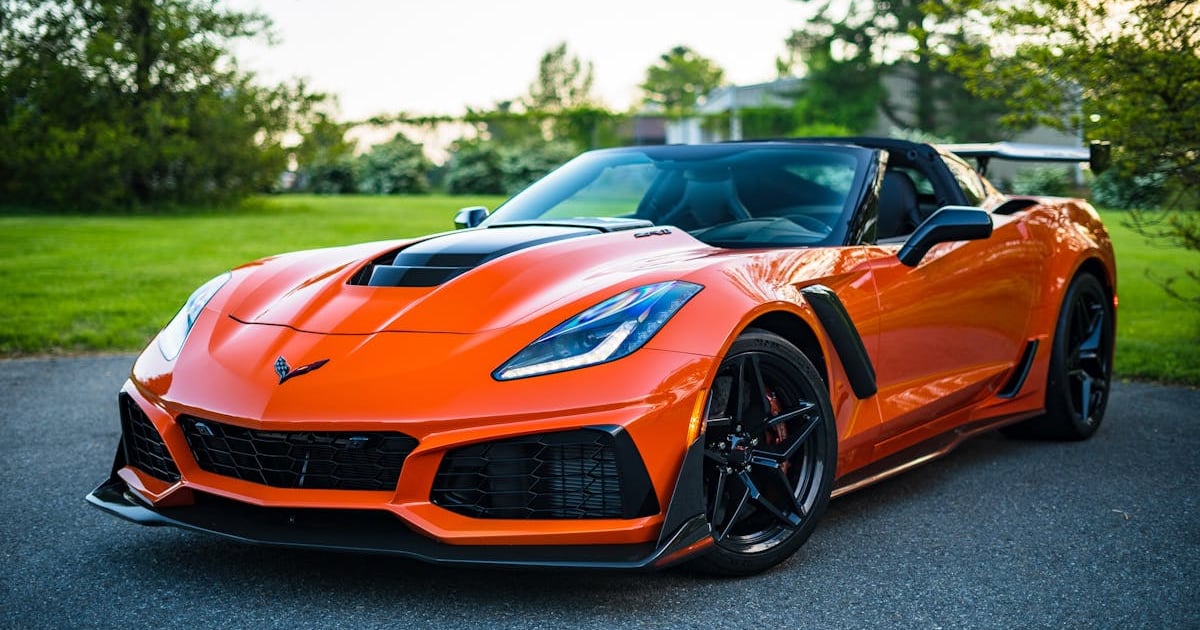
- You're test driving high-value vehicles (luxury, sports cars)
Cost comparison:
- Non-owner insurance: $200–$500/year
- Risk of personal liability (one accident): $10,000–$100,000+
- ROI: One accident avoided pays for decades of coverage
For more on non-owner insurance, see what's non-owner car insurance.
How to Protect Yourself During Test Drives
Whether you're the buyer or seller, take precautions to minimize liability and ensure adequate coverage.
For buyers (test driving a vehicle):
1. Verify insurance coverage before driving • Ask dealer: Confirm their garage keeper's liability policy covers test drives • Ask private seller: Confirm they have active insurance with liability/collision • Request proof: Insurance card or policy number
Here's what I tell people: 2. Have your own liability insurance • Personal auto insurance: Covers secondary liability • Non-owner insurance: Recommended if you don't own a vehicle • Coverage limits: At least 50/100/50 (better: 100/300/100)
3. Read and understand the agreement • Dealership waiver: Know your liability for deductibles • Private seller: Verbal agreement is legally binding—clarify terms
4. Inspect the vehicle before driving • Document existing damage (photos, notes) • Ensures you're not blamed for pre-existing issues
After 12 years in this industry, here's what I know: 5. Drive responsibly • Follow traffic laws • Avoid aggressive driving, speeding, or risky maneuvers • Test mechanical features, not performance limits
6. Don't test drive if vehicle is uninsured • Uninsured vehicle = you're 100% liable • Walk away if seller can't provide proof of insurance
For sellers (allowing test drives):
1. Verify driver's license • Check that license is valid and matches buyer's identity • Photocopy or photograph license
2. Confirm your insurance covers permissive use • Call your insurer: Verify test drives are covered • Understand your deductible and rate increase risk
3. Accompany the buyer • Ride in the passenger seat during the test drive • Prevents theft and monitors driving behavior
4. Set boundaries • Limit test drive time: 15–30 minutes • Defined route: Low-traffic, familiar roads • No highway racing or aggressive driving
5. Ask for proof of insurance • If buyer has non-owner or personal insurance: You're better protected • Record policy details
6. Document the test drive • Written agreement: Buyer's name, license number, time, date • Photos of vehicle condition before/after
7. Consider test drive insurance (for high-value vehicles) • Some insurers offer short-term test drive coverage • Cost: $20–$100 for 1–7 days • Worth it for luxury/classic vehicles
What to do if an accident occurs:
1. Call police (if injuries or significant damage)
2. Exchange information • Driver: Name, license number, contact info • Insurance: Policy number, insurer contact • Other parties: Contact and insurance details
3. Document the scene • Photos: Damage, vehicles, intersection • Witnesses: Contact information • Police report number
4. Notify insurance immediately • Dealer: Report to dealership (they'll file with their insurer) • Private seller: Report to your insurer • Buyer: Report to your insurer (if you've coverage)
5. Understand liability • Dealer test drive: Dealer's insurance handles claim (you may owe deductible) • Private test drive: Owner's insurance handles claim (owner may ask you to cover deductible)
For more on accident liability, see liability car insurance explained.
Special Situations: Rental Test Drives and Demos
Some dealerships and programs offer extended test drives (24 hours to 1 week) with unique insurance considerations.
Overnight test drives (dealership demos):
- Dealer's insurance still covers the vehicle
- You may sign an extended waiver
- Your personal auto insurance provides secondary coverage
- Liability for damages: Same as regular test drives (deductible + excess damages)
Rental-to-buy programs (Carvana, Vroom, etc.):
- 7-day trial periods
- Company's insurance covers the vehicle during trial
- You're responsible for deductibles (often $1,000–$2,500)
- Your insurance provides secondary coverage
Peer-to-peer car sharing (Turo, Getaround):
- Platform provides insurance (liability + physical damage)
- Coverage tiers: Basic, standard, premium (affects your deductible)
- Your personal insurance may not cover shared vehicles (check policy)
- Cost: Insurance included in rental price
Insurance recommendations for extended test drives:
- Verify dealer/platform insurance details
- Understand your deductible responsibility
- Consider declining if deductible is excessive ($5,000+)
- Check if your credit card offers rental car insurance (may cover demos)
High-value vehicle test drives (luxury, exotic):
- Dealers may require:
- Higher coverage limits
- Proof of insurance
- Credit check
- Larger deductible commitment ($5,000–$10,000)
- Your strategy:
- Confirm dealer's insurance limits
- Ensure your liability insurance is robust (250/500/250+)
- Drive extra cautiously
For more on rental coverage, see types of car insurance coverage.
Frequently Asked Questions
Yes, but coverage depends on the vehicle owner. Dealership test drives are covered by the dealer's garage keeper's liability insurance. Private seller test drives are covered by the owner's personal auto insurance (if you've permission). Your own liability insurance or non-owner policy provides secondary coverage.
In dealership test drives, you may owe the dealer's deductible ($500–$2,500) but their insurance covers most damages. In private test drives, the owner's insurance pays first, but you may be liable for their deductible and any damages exceeding their policy limits. Your insurance provides secondary coverage.
Not always. Dealers and private sellers have insurance that covers test drives. However, having your own liability insurance (or non-owner insurance) provides additional protection if damages exceed the owner's coverage limits. Some dealers may require proof of insurance for high-value vehicles.
Non-owner insurance provides liability coverage ($200–$500/year) when you drive vehicles you don't own, including test drives. It covers damages you cause to others if the owner's insurance is insufficient. It doesn't cover damage to the vehicle you're test driving.
If the vehicle is uninsured, you're personally liable for all damages—potentially tens of thousands of dollars. Your personal liability insurance may provide some coverage, but it's risky. Always verify the owner has active insurance before test driving.
Yes, if the seller didn't give you permission (theft), you're unlicensed, or you were driving recklessly (DUI, racing). As long as you've a valid license and the owner's consent, permissive use coverage applies, and their insurance will cover accidents.