
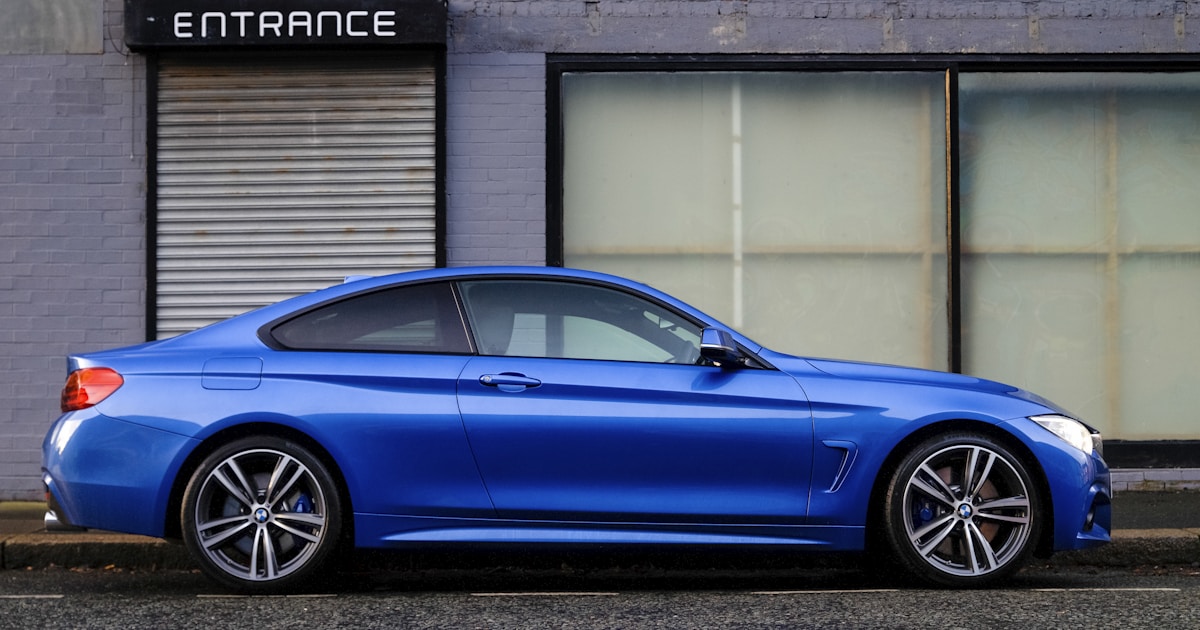
Do You Need Insurance for a Parked Car?
The short answer: it depends on your situation. If your car is registered and you still own it, most states require you to maintain at least minimum liability coverage — even if you're not driving it. However, if you're storing the vehicle long-term and it won't be on the road, you have options to reduce or modify your coverage.
Here's the key distinction:
Registered vehicle, parked temporarily (days to weeks):
Keep your full policy active. Even if you're not driving daily, you're still legally required to have liability insurance in most states.
Long-term storage (months to a year):
You can drop liability and collision coverage and keep comprehensive-only coverage (also called "storage insurance"). This protects the vehicle from theft, fire, vandalism, and weather damage without the cost of liability coverage you're not using.
Unregistered vehicle in private storage:
No insurance is legally required, but comprehensive-only coverage is still a smart financial move if the car has value.
What Is Comprehensive-Only Coverage?
Comprehensive-only coverage (sometimes marketed as "storage insurance" or "parked car insurance") provides protection for your vehicle when it's not being driven. It covers non-collision events, often called "acts of God" or "other than collision" perils.
What comprehensive-only covers:
- Theft or attempted theft
- Vandalism or malicious mischief
- Fire or explosion
- Weather events (hail, wind, flood)
- Falling objects (tree limbs, debris)
- Animal damage (deer, rodents)
- Glass breakage
What it does NOT cover:
- Liability for injuries or property damage you cause
- Collision damage (if you drive the car and hit something)
- Damage from driving without proper coverage
- Medical payments or personal injury protection
Cost savings: Comprehensive-only coverage typically costs $100–$300 per year, compared to $1,000–$2,500+ for a full policy. It's a cost-effective way to protect your vehicle's value during storage.
When to Use Comprehensive-Only Coverage
Comprehensive-only coverage is ideal in these situations:
1. Seasonal vehicles
Classic cars, motorcycles, convertibles, or RVs that you only drive part of the year. Keep comprehensive coverage during the off-season and add liability/collision when you're ready to drive again.
2. Long-term travel or deployment
If you're traveling abroad, on military deployment, or otherwise away from home for months, comprehensive-only coverage protects your parked vehicle without paying for liability you're not using.
3. Medical leave or disability
If you're temporarily unable to drive due to injury, illness, or medical restrictions, you can drop liability and collision while keeping comprehensive protection.
4. Vehicle awaiting sale or repair
If your car is parked while you decide whether to sell or repair it, comprehensive coverage protects it from theft or damage in the meantime.
5. Extra vehicles
If you own multiple cars and one sits unused most of the time, comprehensive-only coverage is a low-cost way to protect it.
State Requirements for Parked Vehicles
Insurance requirements vary by state. Here's what you need to know:
If your car is registered:
Most states require you to maintain at least minimum liability coverage as long as the vehicle is registered, even if it's not being driven. Driving or parking on public roads without insurance is illegal and can result in fines, license suspension, or vehicle impoundment.
If you cancel registration:
If you officially cancel your registration and surrender your license plates to the DMV, you're no longer required to carry insurance. However, re-registering later may require proof of prior insurance, and gaps in coverage can lead to higher rates.
Private property exemption:
In some states, vehicles stored on private property (like your garage or a storage unit) may not require insurance if they're not registered. Check your state's DMV or Department of Insurance for specifics.
Important: Even if insurance isn't legally required, lienholders (if you have a car loan) typically require comprehensive and collision coverage until the loan is paid off.
Should You Cancel Insurance or Just Reduce Coverage?
Canceling your insurance entirely might seem like the cheapest option, but it comes with risks:
Risks of canceling:
- Coverage gap: Insurers view gaps as red flags, often resulting in 10–30% higher rates when you reinstate coverage
- Loss of loyalty discounts: You may lose tenure-based discounts with your current carrier
- Unprotected asset: Your car is vulnerable to theft, vandalism, fire, or weather damage
- State penalties: If your vehicle remains registered, canceling insurance can result in fines, license suspension, or registration revocation
Benefits of reducing to comprehensive-only:
- No coverage gap: Maintains continuous insurance history
- Keeps loyalty discounts: Preserves your standing with your insurer
- Protects your investment: Shields the vehicle from non-collision risks
- Easy to reinstate: Adding liability and collision back is simple when you're ready to drive again
For most people, reducing to comprehensive-only coverage is the smarter move. It's inexpensive, keeps you protected, and avoids the rate increases that come with coverage gaps.
How to Set Up Storage or Comprehensive-Only Coverage
Step 1: Contact your insurer
Call your insurance company or agent and explain that you're storing the vehicle and won't be driving it. Ask to switch to comprehensive-only coverage.
Step 2: Confirm what's covered
Make sure the policy includes comprehensive coverage with an appropriate deductible (typically $500 or $1,000). Verify that liability and collision are removed.
Step 3: Verify registration status
If you're keeping the car registered, confirm your state allows comprehensive-only coverage for registered vehicles. If not, you may need to surrender your plates.
Step 4: Document the storage location
Let your insurer know where the car will be stored (private garage, storage facility, driveway). Some insurers offer lower rates for secure storage.
Step 5: Set a reminder to reinstate full coverage
Before you start driving again, contact your insurer to add liability and collision coverage back. Driving with comprehensive-only coverage is illegal and leaves you personally liable for any damage you cause.
Frequently Asked Questions
If the car is registered, most states require at least liability insurance even if you're not driving it. If you're storing it long-term, you can drop liability and keep comprehensive coverage to protect against theft, fire, vandalism, and weather damage at lower cost.
You can, but it's risky. Gaps in coverage can lead to higher rates (10–30% increases) when you reinstate insurance, and your vehicle is unprotected from theft or damage. A better option is comprehensive-only coverage, which costs $100–$300/year and maintains continuous coverage.
Also called storage insurance, comprehensive-only coverage protects your parked car from theft, vandalism, fire, weather, falling objects, and animal damage — without liability or collision coverage. It's ideal for vehicles not being driven and costs significantly less than a full policy.
Comprehensive-only coverage typically costs $100–$300 per year, depending on your vehicle's value, location, and chosen deductible. This is 80–90% cheaper than maintaining a full policy with liability and collision coverage.
In many states, yes. If you cancel insurance while the vehicle remains registered, you may be required to surrender your plates to the DMV to avoid penalties, fines, or registration suspension. Check your state's specific requirements.