
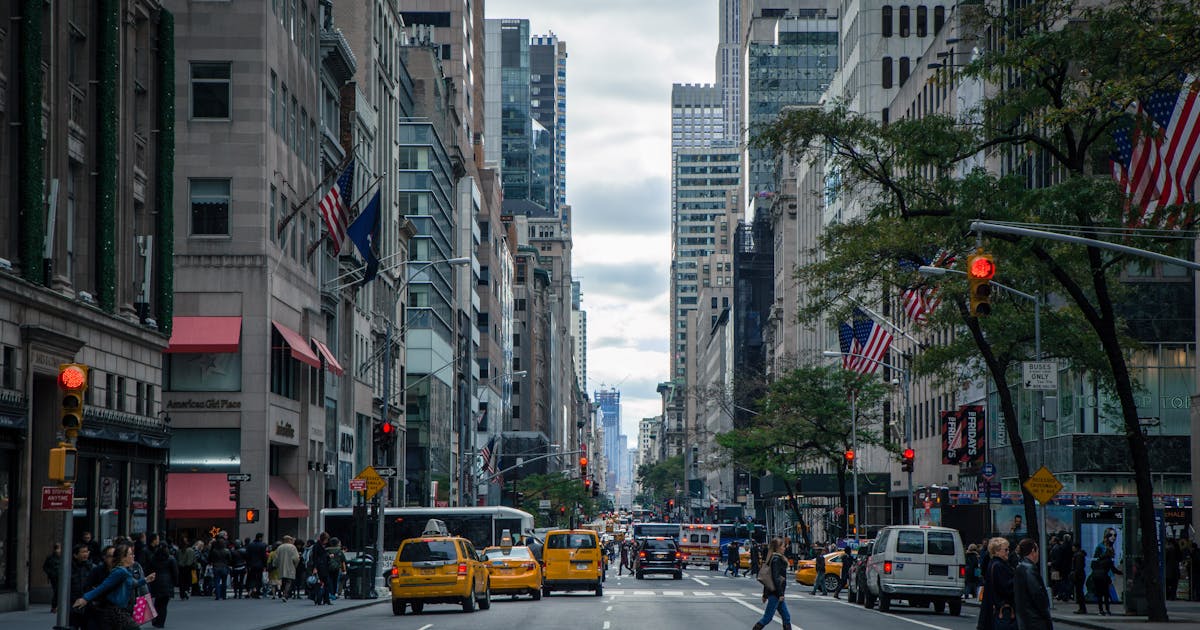
New York Car Insurance Requirements
New York has more comprehensive minimum insurance requirements than most states. All drivers must carry:
- $25,000 bodily injury liability per person
- $50,000 bodily injury liability per accident
- $10,000 property damage liability per accident
- $50,000 Personal Injury Protection (PIP) / No-Fault coverage
- $25,000 Uninsured Motorist bodily injury per person
- $50,000 Uninsured Motorist bodily injury per accident
This is often abbreviated as 25/50/10 with $50K PIP and $25K/$50K UM.
Important: New York's minimum requirements are more comprehensive than most states because they include mandatory PIP and uninsured motorist coverage. However, even these limits may not be sufficient in a serious accident—consider increasing to 100/300/100.
If you lease or finance your vehicle, your lender will also require collision and comprehensive coverage.
Personal Injury Protection (PIP) in New York
New York is a no-fault state, which means your own PIP coverage (also called No-Fault coverage) pays for medical expenses and other economic losses after an accident, regardless of who caused it.
PIP covers up to $50,000 for:
- Medical and rehabilitation expenses
- Lost wages (up to $2,000 per month for up to 3 years)
- Other reasonable and necessary expenses (e.g., household help)
- Death benefit ($2,000)
PIP pays regardless of fault and is your primary coverage—it pays before health insurance. This speeds up payment for medical bills and reduces lawsuits.
Additional PIP (APIP): You can purchase Additional Personal Injury Protection to increase PIP limits beyond $50,000. This is optional but recommended for drivers who want extra medical coverage.
Who is covered: You, your passengers, pedestrians struck by your vehicle, and anyone else using your car with permission.
New York's Serious Injury Threshold
Because New York is a no-fault state, you cannot sue the at-fault driver for pain and suffering or non-economic damages unless your injuries meet New York's serious injury threshold.
Serious injury includes:
- Death
- Dismemberment
- Significant disfigurement
- Fracture
- Loss of a fetus
- Permanent loss of use of a body organ, member, function, or system
- Permanent consequential limitation of use of a body organ or member
- Significant limitation of use of a body function or system
- Medically determined injury or impairment preventing substantially all daily activities for at least 90 of the first 180 days after the accident
If your injuries meet this threshold, you can sue the at-fault driver for pain and suffering, lost income beyond PIP limits, and other non-economic damages.
Average Car Insurance Costs in New York
New York drivers pay an average of $2,226 per year for full coverage car insurance, or about $186 per month. Minimum coverage averages around $956 per year.
Rates vary dramatically between New York City and upstate regions:
Regional rate examples (average full coverage):
• Brooklyn: $3,547/year (highest in the state)
• Bronx: $3,412/year
• Queens: $3,001/year
• Manhattan: $2,789/year
• Buffalo: $1,654/year
• Rochester: $1,589/year
• Syracuse: $1,521/year
• Albany: $1,487/year
NYC boroughs have rates 2-3× higher than upstate cities due to traffic density, theft, vandalism, and accident frequency.
Factors that affect your New York car insurance rate include your ZIP code and borough/city, driving record (accidents, tickets, DUIs), age and experience, credit score (NY allows credit-based pricing), vehicle make and model, annual mileage, coverage limits and deductibles, and discounts applied.
The only way to know your actual rate is to compare personalized quotes from multiple carriers.
Why is NYC Car Insurance So Expensive?
New York City consistently has some of the highest car insurance rates in the United States. Here's why:
1. Extreme traffic density: NYC has the worst traffic congestion in the nation, leading to frequent fender-benders and higher claim frequency.
2. High vehicle theft and vandalism: NYC ranks among the top cities for auto theft. Comprehensive claims are common.
3. Expensive medical costs: NYC medical costs are among the highest in the country, driving up PIP claims.
4. Lawsuit-heavy environment: New York's legal environment encourages lawsuits, increasing settlement costs and legal fees.
5. Fraudulent claims: Staged accidents and exaggerated injury claims are more common in NYC, driving up costs for all policyholders.
6. Higher property damage costs: Accidents often involve expensive luxury vehicles, pedestrians, cyclists, and infrastructure damage.
Coverage Options Beyond the Minimum
New York's minimum requirements are more robust than most states, but you may still want additional protection:
Increased Bodily Injury Liability: Consider raising limits to 100/300 or even 250/500 if you have significant assets to protect. New York's minimum 25/50 can be exceeded quickly in serious multi-vehicle accidents.
Increased Property Damage Liability: The minimum $10,000 may not cover damage to expensive vehicles, multiple cars, or infrastructure. Consider $50,000-$100,000.
Collision Coverage: Pays for damage to your car after an accident, regardless of fault. Required if you lease or finance. Recommended if: Your car is worth more than your deductible.
Comprehensive Coverage: Covers theft, vandalism, fire, weather damage, and animal strikes. Essential in NYC due to high theft and vandalism rates. Required if you lease or finance.
Uninsured Motorist Property Damage (UMPD): New York requires UM bodily injury but not UM property damage. Adding UMPD (with a $200 deductible) protects your vehicle if hit by an uninsured driver.
Additional PIP (APIP): Increases PIP limits beyond $50,000 for more medical coverage. Useful if you want extra protection or don't have robust health insurance.
Rental Reimbursement: Covers rental car costs while your vehicle is repaired. Typical cost: $20-$40/year.
Roadside Assistance: Covers towing, flat tires, lockouts, and jump-starts. Typical cost: $10-$30/year.
SR-22 Insurance in New York
New York does not use SR-22 certificates. Instead, the state uses FS-1 forms (Financial Security forms) for similar purposes.
Your insurer files an FS-1 form with the NY DMV after certain violations:
- DUI or DWI conviction
- License suspension or revocation
- Certain serious traffic violations
- Multiple at-fault accidents
The FS-1 proves you carry the required insurance. If your policy lapses, your insurer notifies the DMV and your license can be suspended.
How long? Typically 3 years. Your insurance rates will increase significantly (often 50-100%+) because you're classified as high-risk.
How to Save Money on New York Car Insurance
New York car insurance—especially in NYC—is expensive, but there are proven ways to reduce your premium:
1. Compare quotes from multiple carriers. Rates vary by $600-$1,000+ between insurers for the same coverage. Get personalized quotes here.
2. Bundle policies. Combine auto and renters insurance (or home, if you own) for 10-30% off your total premium.
3. Increase your deductibles. Raising collision and comprehensive deductibles from $500 to $1,000 can save 15-30%. Only do this if you have emergency savings.
4. Maintain a clean driving record. A single DUI or at-fault accident can double your rates. Avoid tickets and violations.
5. Improve your credit score. New York allows credit-based insurance scoring. Better credit = lower premiums.
6. Ask about low-mileage discounts. If you use public transit and drive less than 7,500 miles per year, you may qualify.
7. Install anti-theft devices. Car alarms, GPS trackers, and steering wheel locks can reduce comprehensive coverage costs, especially important in NYC.
8. Take a defensive driving course. New York-approved courses can earn you a 10% discount for 3 years and reduce points on your license.
9. Drop unnecessary coverage on older cars. If your car is worth less than 10× your deductible, consider dropping collision and comprehensive.
10. Use public transit when possible. Lower annual mileage = lower rates. Many NYC residents use their cars only occasionally.
Best Car Insurance Companies in New York
New York has dozens of insurers, but some consistently rank higher for price, customer service, and claims handling:
Top-rated insurers in New York (2025-2026):
• State Farm: Large market share, strong customer service
• GEICO: Competitive rates, especially for good drivers
• Progressive: Good for high-risk drivers, usage-based discounts
• Allstate: Strong local agent network
• Travelers: Good for bundling home and auto
• Erie Insurance: Excellent customer satisfaction, available in upstate NY
• New York Central Mutual: Upstate specialist, competitive rates outside NYC
The "best" insurer depends on your specific profile. A company that offers low rates for upstate drivers might be expensive in Brooklyn. Always compare quotes from at least 3-5 carriers.
Additional Resources
For more information about car insurance regulations and consumer resources:
- New York DFS — Official state insurance regulator
- NAIC — National Association of Insurance Commissioners
- Insurance Information Institute — Industry research and consumer guides
New York Car Insurance Checklist
Use this checklist to make sure you're properly covered:
- Carry NY's minimum: 25/50/10 liability + $50K PIP + $25K/$50K UM
- Consider increasing liability limits to 100/300/100
- Add collision and comprehensive if your car is worth more than the deductible
- Add Uninsured Motorist Property Damage (UMPD) for vehicle protection
- Keep proof of insurance in your vehicle or on your phone
- If you need FS-1 filing (NY's SR-22 equivalent), verify it's active with DMV
- Compare quotes annually—NYC rates change frequently
- Bundle auto and renters/home insurance for 10-30% savings
- Take a NY-approved defensive driving course for a 10% discount
- Ask about low-mileage discounts if you drive less than 7,500 miles/year
NYC Parking and Comprehensive Coverage
If you live in New York City, comprehensive coverage is essential:
Street parking: Vehicles parked on NYC streets are vulnerable to vandalism, break-ins, side-swipes, and hit-and-runs. Comprehensive coverage protects you.
Garage parking: Even in parking garages, theft and damage occur. Comprehensive is still recommended.
Theft rates: NYC has high vehicle theft rates, especially for certain makes and models (Honda, Toyota, Hyundai). Without comprehensive, you're out of pocket for the full value.
NYC tip: If you park on the street, take photos of your car regularly. This helps document pre-existing damage vs. new claims. Install a dashcam with parking mode to catch hit-and-runs.
Rideshare and Commercial Use in New York
If you drive for Uber, Lyft, or other rideshare platforms in New York, your personal auto insurance may not cover accidents while you're working.
Rideshare gap coverage: Most insurers exclude commercial use. You need rideshare endorsement coverage or a commercial policy.
TLC insurance (NYC taxis and for-hire vehicles): If you drive a yellow cab or TLC-licensed vehicle, you need commercial livery insurance—personal policies don't apply.
Food delivery: If you deliver for DoorDash, Uber Eats, etc., check whether your insurer covers commercial food delivery. Many require a commercial endorsement.
Frequently Asked Questions About New York Car Insurance
New York requires 25/50/10 liability ($25,000 bodily injury per person, $50,000 per accident, $10,000 property damage), plus $50,000 PIP and $25,000/$50,000 Uninsured Motorist bodily injury coverage.
New York drivers pay an average of $2,226 per year for full coverage, or about $186 per month. Minimum coverage averages $956 per year. NYC boroughs (especially Brooklyn and the Bronx) have rates 2-3× higher than upstate cities.
Yes. New York is a no-fault state, meaning your own PIP coverage pays for medical expenses after an accident regardless of fault. You can only sue for serious injuries that meet the state's threshold.
PIP (Personal Injury Protection) covers up to $50,000 of medical expenses, lost wages (up to $2,000/month for 3 years), and other economic losses after an accident, regardless of who caused it.
Yes. New York requires at least $25,000/$50,000 uninsured motorist bodily injury coverage. About 6% of NY drivers are uninsured. You can also add optional UM property damage coverage.
NYC has the highest rates in the state due to: extreme traffic congestion, high accident frequency, vehicle theft and vandalism, expensive medical costs, lawsuit-heavy environment, and fraudulent claims (staged accidents).
New York's serious injury threshold includes death, dismemberment, fracture, significant disfigurement, permanent loss of body function, or disability preventing daily activities for 90+ days. Only injuries meeting this threshold allow lawsuits for pain and suffering.
No. New York uses FS-1 forms (Financial Security forms) instead of SR-22. Your insurer files an FS-1 with the DMV after DUI, license suspension, or certain violations to prove you carry insurance.
Yes. Completing a NY-approved defensive driving course earns you a 10% discount for 3 years and reduces up to 4 points from your license. Many insurers offer online courses.
If you drive for Uber, Lyft, or other rideshare platforms, your personal policy may not cover you while working. You need a rideshare endorsement or commercial policy. TLC vehicles require full commercial livery insurance.