
What Makes a Car Cheap to Insure?
Insurance companies calculate premiums based on risk—the likelihood and cost of paying claims. Vehicles with these characteristics cost less to insure:
- High safety ratings: Top crash test scores from IIHS and NHTSA
- Advanced safety features: Automatic emergency braking, lane departure warning, blind-spot monitoring
- Low theft rates: Not on the most-stolen list
- Affordable repair costs: Common parts, inexpensive labor
- Good reliability: Fewer mechanical issues and claims
- Moderate performance: Not a sports car or high-horsepower vehicle
I've seen this happen too many times. Sedans, crossovers, and family SUVs typically meet these criteria better than luxury cars, sports cars, or large trucks.
Average Car Insurance Costs
Top 10 Cheapest Cars to Insure (2026)
Based on industry data and average premiums, these vehicles consistently rank among the cheapest to insure:
- Honda CR-V: Top safety scores, low theft rate, affordable repairs
- Subaru Outback: Excellent crash ratings, standard AWD, reliable
- Mazda CX-5: Strong safety features, moderate cost, low claims
- Subaru Forester: IIHS Top Safety Pick, family-friendly, low theft
- Honda Odyssey: Minivan with top safety, low performance risk
- Jeep Wrangler: Durable, low theft, strong resale value
- Ford Escape: Affordable crossover, good safety ratings
- Honda Accord: Reliable sedan, low claims frequency
- Toyota Camry: High reliability, strong safety, common parts
- Mazda3: Compact sedan, affordable repairs, good safety
Note: Actual rates vary by trim level, model year, and your individual profile. Always get a quote for the specific vehicle you're considering.
Cheapest Sedans to Insure
Sedans are popular for their fuel efficiency, affordability, and low insurance costs. Top choices include:
- Honda Accord: Reliable, safe, inexpensive to repair
- Toyota Camry: Top safety, low theft, strong resale
- Mazda3: Sporty but affordable, good safety
- Hyundai Elantra: Budget-friendly, modern safety features
- Subaru Legacy: Standard AWD, excellent safety ratings
Cheapest SUVs and Crossovers to Insure
SUVs and crossovers are family-oriented vehicles with strong safety ratings, which translates to lower premiums:
- Honda CR-V: Consistently ranks as one of the cheapest SUVs to insure
- Subaru Outback: Excellent crash protection, low theft
- Mazda CX-5: Strong safety, reliable, affordable
- Subaru Forester: IIHS Top Safety Pick, family favorite
- Ford Escape: Practical crossover with good safety
Cheapest Trucks to Insure
Let me break this down for you: Trucks typically cost more to insure than sedans, but these models are more affordable:
- Ford F-150: Most popular truck, common parts, good safety
- Chevrolet Silverado 1500: Reliable, widely available parts
- Honda Ridgeline: Unibody design, lower performance risk
- Toyota Tacoma: Strong reliability, moderate insurance costs
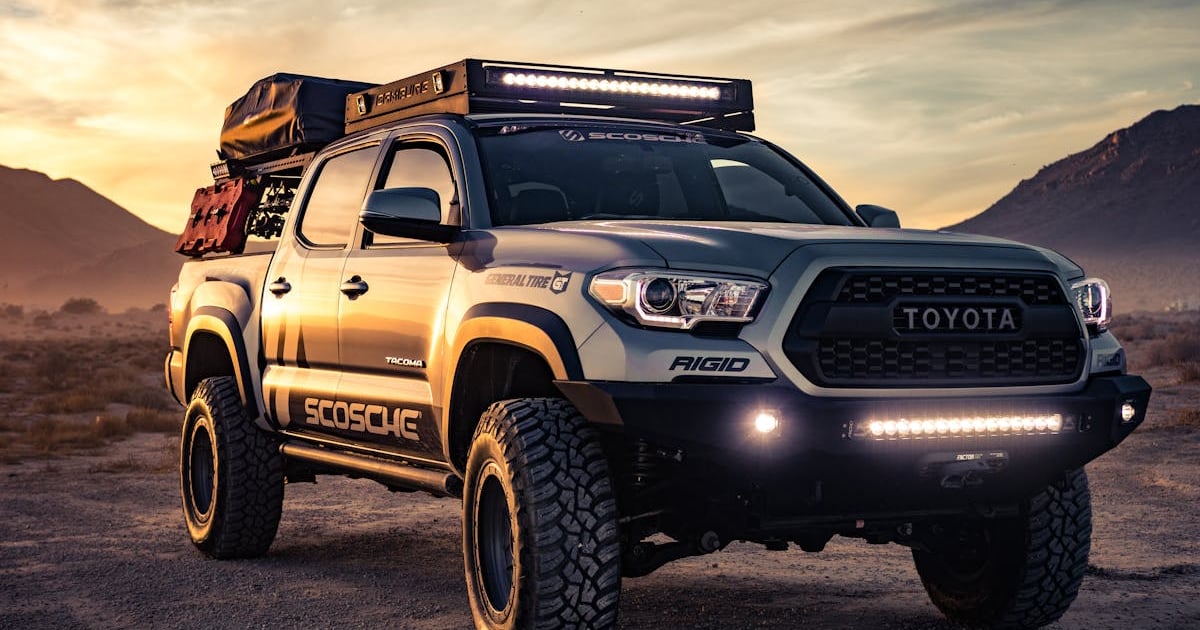
Avoid lifted, modified, or high-performance trucks—they're significantly more expensive to insure.
What Cars to Avoid for Low Insurance
Certain vehicle types consistently have higher premiums:
- Sports cars: Corvette, Mustang, Camaro, Porsche 911—high performance = high risk
- Luxury vehicles: BMW, Mercedes, Audi—expensive parts and labor
- High-theft models: Dodge Charger, Hyundai Elantra (older models), Kia Optima
- Large SUVs: Cadillac Escalade, Range Rover—costly to repair and replace
- Electric/hybrid exotics: Tesla Model S/X—expensive battery replacement and repair
For more, see our guide on most expensive cars to insure.
How to Estimate Insurance Before Buying
Before purchasing a vehicle, get insurance quotes for the specific make, model, and year you're considering. This prevents sticker shock later.
Steps to estimate insurance costs:
- Identify 2–3 vehicles you're interested in
- Get the VIN or exact year/make/model/trim
- Request quotes from 3–5 carriers for each vehicle
- Compare the premiums and factor them into your total cost of ownership
Pro tip: Use a comparison tool to get multiple quotes quickly. You can compare insurance costs before committing to a purchase.
Other Ways to Lower Insurance Costs
Choosing a cheaper-to-insure vehicle is one strategy. Combine it with these to maximize savings:
- Compare quotes: Drivers who shop around save $461/year on average
- Raise your deductible: $1,000 vs. $500 can save 10–20%
- Bundle policies: Combine auto + home for 15–25% savings
- Ask about discounts: Safe driver, low mileage, good student, anti-theft devices
- Improve your credit: Better credit = lower rates in most states
- Take a defensive driving course: Can reduce premiums 5–15%
For more strategies, see our guide on how to lower car insurance.
Safety Ratings and Insurance Discounts
Vehicles with top safety ratings often qualify for discounts:
- IIHS Top Safety Pick or Top Safety Pick+: Many carriers offer discounts
- 5-star NHTSA rating: Lower base rates due to reduced injury risk
- Advanced safety features: Automatic emergency braking, adaptive cruise control
When shopping for a car, check the IIHS ratings and NHTSA ratings to see how safety scores affect insurance costs.
Frequently Asked Questions
Cars that are cheap to insure have strong safety ratings, low theft rates, affordable repair costs, good reliability, and moderate performance. Sedans and crossovers typically cost less than sports cars or luxury vehicles.
Generally yes, because their replacement value is lower. However, older cars without modern safety features may not qualify for certain discounts. For more, see our guide on car insurance for older cars.
Not necessarily. Safe, family-oriented SUVs like the Honda CR-V and Subaru Outback often cost less to insure than many sedans due to excellent safety ratings and low claim frequencies.
Yes. Moving from a high-cost vehicle (sports car, luxury car) to a lower-cost one (safe sedan, crossover) can reduce premiums 20–50% or more.