
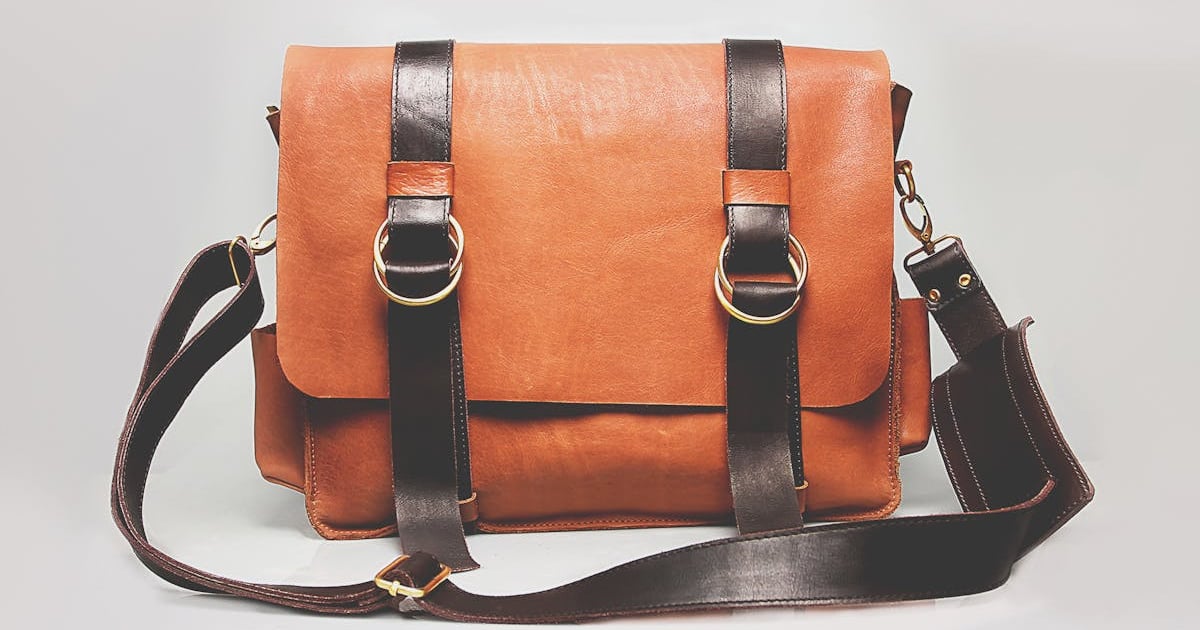
Why Car Insurance Doesn't Cover Personal Belongings
Let me break this down: Car insurance is designed to cover your vehicle and its factory-installed components—not personal property you bring into the car.
What car insurance covers:
- Damage to your vehicle from accidents (collision)
- Theft of the vehicle itself (comprehensive)
- Damage from weather, vandalism, or fire (comprehensive)
- Liability for damage you cause to others
What car insurance doesn't cover:
- Laptops, phones, tablets, or other electronics
- Wallets, purses, or cash
- Clothing, bags, or luggage
- Tools or work equipment
- Sports equipment or camping gear
- Gifts or purchases left in the car
Bottom line: Car insurance protects the car. Personal belongings are covered by homeowners or renters insurance—even when stolen from your vehicle.
Trust me, For a complete guide to what car insurance covers, see our article on what does car insurance cover.
Coverage Type Comparison
What Insurance Covers Stolen or Damaged Belongings?
Homeowners or renters insurance covers personal property stolen from your car.
How it works:
- 1. Your belongings are stolen from (or damaged in) your vehicle
- 2. You file a claim with your homeowners or renters insurance
- 3. You pay your homeowners/renters deductible (typically $500–$2,000)
- 4. Insurance reimburses you for the stolen items, up to policy limits
Coverage applies anywhere—not just at home. Homeowners and renters insurance covers your personal property anywhere in the world, including:
- Inside your car
- At work
- In hotel rooms
- While traveling
Limits and exclusions:
- Policy limits: Most policies cover $20,000–$100,000+ in personal property
- Sub-limits: High-value items (jewelry, electronics, art) may have sub-limits of $1,000–$2,500 unless you buy additional coverage (scheduled personal property)
- Replacement cost vs. actual cash value: Policies pay either replacement cost (what it costs to buy new) or actual cash value (depreciated value). Replacement cost policies are better.
What if you don't have homeowners or renters insurance? You're out of luck. There's no coverage for stolen belongings without a property insurance policy.
What About Custom Car Parts and Accessories?
Custom parts and aftermarket accessories fall into a gray area.
Factory-installed equipment:
- Covered by car insurance (comprehensive)
- Examples: factory stereo, GPS, seats, wheels
Aftermarket modifications:
- Sometimes covered by car insurance if you purchase custom parts and equipment (CPE) coverage
- Examples: upgraded stereos, custom wheels, lift kits, spoilers, performance exhausts
- CPE coverage costs $50–$200/year and covers up to $1,000–$5,000 in custom parts
Portable equipment:
- Covered by homeowners/renters insurance
- Examples: radar detectors, dashcams, phone mounts, portable GPS units
Tools and work equipment:
- Generally covered by homeowners/renters insurance
- Contractors and tradespeople should consider inland marine insurance or a tools and equipment floater for full coverage of work tools
If you've invested heavily in custom modifications, ask your auto insurer about custom parts and equipment coverage. Otherwise, aftermarket items may not be fully covered in a total loss or theft.
Filing a Claim for Stolen Belongings
If items are stolen from your car, follow these steps:
1. File a police report immediately.
- Report the theft to local police
- Get a copy of the police report or the report number
- Provide a detailed list of stolen items
2. Document the theft.
- Take photos of the break-in damage (broken windows, pried locks)
- List all stolen items with descriptions, serial numbers, and estimated values
- Gather receipts, photos, or proof of purchase if available
3. Contact your homeowners/renters insurance.
- File a claim for the stolen items
- Provide the police report number
- Submit your itemized list and documentation
4. File a separate auto insurance claim for vehicle damage.
- If your car was damaged during the theft (broken windows, damaged locks), file a claim with your auto insurer under comprehensive coverage
- You'll pay your comprehensive deductible for car repairs
- The auto claim covers vehicle damage only—not stolen items
Example: Someone breaks your car window and steals a laptop, phone, and backpack worth $2,500 total. The broken window costs $300 to replace.
- Homeowners insurance: Covers the $2,500 in stolen items (minus your homeowners deductible, e.g., $1,000). You'd receive $1,500.
- Auto insurance (comprehensive): Covers the $300 window repair (minus your auto deductible, e.g., $250). You'd pay $250, insurance pays $50.
In this scenario, filing two claims may not be worth it—you'd pay $1,250 in deductibles to recover $1,550.
When Should You File a Claim?
Consider these factors before filing:
1. Compare stolen item value to your deductible. If stolen items are worth $800 and your homeowners deductible is $1,000, you gain nothing by filing.
2. Consider rate impacts.
- Homeowners/renters claims can increase premiums by 10–25%
- Multiple claims in 3–5 years may lead to non-renewal or difficulty finding coverage
3. Weigh the long-term cost. If filing a $2,000 claim raises your annual premium by $300 for 5 years, you've paid $1,500 in increased premiums—reducing your net benefit to $500.
I'm going to be honest with you—4. High-value items may justify filing. If stolen items exceed $3,000–$5,000, filing a claim usually makes sense despite potential rate increases.
General rule: File a claim only if the stolen items' value exceeds your deductible by $1,000+ and you haven't filed recent claims.
How to Prevent Theft from Your Vehicle
Never leave valuables visible.
- Store items in the trunk or at home
- Even empty bags or boxes signal potential valuables inside
Lock your doors and close windows.
- Sounds obvious, but 50%+ of vehicle break-ins involve unlocked doors
- Close windows completely—even a small gap is an invitation
Park in well-lit, visible areas.
- Park near security cameras, building entrances, or under streetlights
- Avoid dark, isolated parking lots
Use a steering wheel lock or alarm.
- Visible deterrents discourage thieves looking for easy targets
- Audible alarms attract attention and scare off criminals
Install a dashcam with parking mode.
- Records 24/7 and captures break-ins on video
- Helps police identify suspects and strengthens insurance claims
Remove portable electronics.
- Take phones, laptops, GPS units, and chargers with you
- Even charging cables signal electronics may be in the vehicle
Don't leave spare keys in the car.
- Thieves often steal the vehicle if they find keys inside
Consider a car cover.
- If you park outside long-term, a car cover hides the interior and deters casual break-ins
What If Your Car Is Stolen With Belongings Inside?
Car insurance (comprehensive) covers the stolen vehicle.
- File a claim with your auto insurer
- You'll pay your comprehensive deductible
- If the car isn't recovered, you receive a payout based on its actual cash value
Homeowners/renters insurance covers stolen belongings.
- File a separate claim for items inside the stolen car
- You'll pay your homeowners/renters deductible
- List all stolen items with values and documentation
I've seen this happen too many times. Two separate claims, two separate deductibles. You'll pay both deductibles—one for the vehicle, one for the belongings. If the vehicle is recovered quickly, you may only need to file a claim for stolen items.
Report the theft to police immediately.
- Call police as soon as you discover the theft
- Provide vehicle description, license plate, VIN, and list of stolen belongings
- Get a police report number for both insurance claims
For more on vehicle theft coverage, see our guide on comprehensive vs collision insurance.
Do You Need Renters Insurance?
If you don't own a home, renters insurance is essential for protecting personal belongings—including items in your car.
Why renters insurance is worth it:
- Costs just $10–$30/month
- Covers personal property anywhere in the world
- Includes liability protection (if someone is injured at your home)
- Often required by landlords
What it covers:
- Belongings stolen from your car
- Belongings damaged in your apartment (fire, water, theft)
- Temporary housing if your apartment becomes uninhabitable
- Legal fees if you're sued for injury or property damage
What it doesn't cover:
- Your vehicle (that's what car insurance is for)
- Damage to the apartment structure (covered by landlord's insurance)
If you don't have renters insurance, you've zero coverage for stolen or damaged belongings. It's one of the most affordable and valuable insurance policies you can buy.
Frequently Asked Questions
No. Comprehensive covers theft of the vehicle itself, but not personal belongings inside it. For stolen items, you need homeowners or renters insurance.
you've no coverage for stolen or damaged personal belongings. You'll pay 100% of the replacement cost out of pocket.
No. Laptops and other electronics are covered by homeowners or renters insurance, not car insurance.
No. Tools are personal property covered by homeowners or renters insurance. Contractors should consider additional coverage (inland marine or tools floater) for work equipment.
File two separate claims: one with your auto insurer (comprehensive) for the stolen vehicle, and one with your homeowners/renters insurer for the stolen belongings. You'll pay two separate deductibles.
Only if you've custom parts and equipment (CPE) coverage added to your auto policy. Factory-installed equipment is covered by comprehensive; aftermarket upgrades require CPE coverage.